Piotr Beczała in Dvořáks Rusalka: ein Höhepunkt der Saison an der Wiener Staatsoper
Donnerstag, 15. Januar 2026

Im Januar begeisterte Piotr Beczała das Publikum der Wiener Staatsoper in Antonín Dvořáks geliebter lyrischer Märchenoper Rusalka. In der Partie des Prinzen sang er eine Serie von Vorstellungen, geprägt von vokaler Eleganz und dramatischer Feinfühligkeit, und trug eine Produktion, die rasch zu einem der meistdiskutierten Opernereignisse der Saison wurde.
Dvořáks Märchenmeisterwerk, in dieser Saison in der Regie von Sven-Eric Bechtolf und unter der Leitung von Robert Jindra, erzählt die eindringliche Geschichte einer Wassernymphe, die Stimme und Unsterblichkeit für die Liebe opfert. An der Wiener Staatsoper stand Rusalka im Januar an mehreren Terminen auf dem Spielplan und zog Abend für Abend ein begeistertes Publikum an.
Bemerkenswert war nicht nur das hohe künstlerische Niveau auf der Bühne, sondern auch die durchweg vollen und ausverkauften Häuser. Das Wiener Publikum reagierte mit herzlichem Beifall und feierte eine Aufführung, die Ausdruckstiefe mit einem überzeugenden Ensemble verband. Neben Beczała sangen die Sopranistin Nicole Car die Rusalka und Alexander Vinogradov den Wassermann und trugen wesentlich zum dramatischen Reichtum der Abende bei.
Die Partie des Prinzen verlangt in Rusalka sowohl lyrische Verfeinerung als auch emotionale Nuance — Beczałas Interpretation brachte beides zur Geltung. Seine Gestaltung war eine der Säulen einer Produktion, die beim Publikum stark nachhallte und sich als Höhepunkt der Wiener Opernsaison etablierte.
Pressestimmen (englische Übersetzung)
Die folgenden Auszüge geben die Kritiken in englischer Übersetzung wieder.
„But then the Prince steps onto the stage—and in this figure the evening’s lyrical fairy tale reaches its culmination. Piotr Beczała’s first entrance has an unmistakably regal effect; in the strictly musical sense, he displays complete sovereignty over vocal control. His singing line is flawless. He guides his voice with an ease that never sacrifices substance. And then there are those powerful high notes, which sound not forced, but freely unfolded. It is a sound that touches instantly, precisely because it is so technically perfect that it seems to arise from nature itself. This vocal craftsmanship is breathtaking—and precisely because it does not sound like mere technique, it produces that immediate, visceral shock which so clearly grips the audience this evening. Beczała does not simply sing beautifully; he shapes every single tone. Every phrase has a clear direction, every arc an inner destination. The Prince’s lyricism is not merely displayed, but fully inhabited; one is carried along because the voice does not linger on the text, but penetrates it. He overwhelms not through sheer volume, but through the way he transforms sound into spatial presence. Thus it becomes clear why this figure seduces—and at the same time why this seduction is fatal. In the end, the Prince loves a vision—and Beczała makes that vision irresistible.“ – Wochenblatt-reporter.de
„There are moments when good opera performances suddenly rise above themselves, climbing to an entirely different level—one that, earlier that evening, had not even seemed possible. On Thursday, such a spontaneous leap in quality occurred at the State Opera when Piotr Beczała, at the end of the first act of Rusalka, burst into a ravishingly rapturous tone of jubilation. Yet time seems to pass Piotr Beczała by—because this intelligent tenor has vocally lived only off the interest and never touched the capital. The added metal has, at most, strengthened the inner framework; outwardly, the voice still shimmers and gleams as supple, youthful, and cantabile as ever. Almost like in a fairy tale.“ – Diepresse.com

Donnerstag, 10. September 2026
Ein Abend unter dem Sternenhimmel: Piotr Beczała zur Saisoneröffnung der Wiener Staatsoper
Artikel lesen →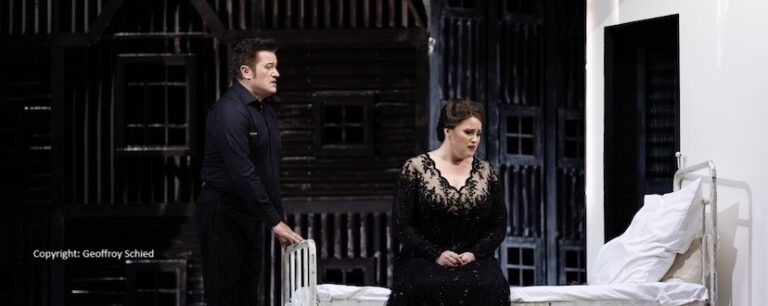
Mittwoch, 13. Mai 2026
Manrico in München: Piotr Beczała elektrisiert die Bayerische Staatsoper
Artikel lesen →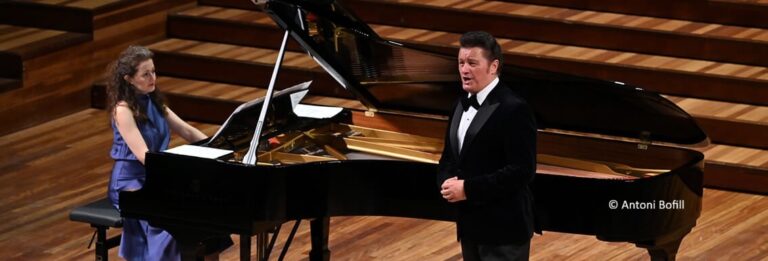
Freitag, 17. April 2026
Piotr Beczała in Barcelona — die Stimme, die den Palau verzauberte
Artikel lesen →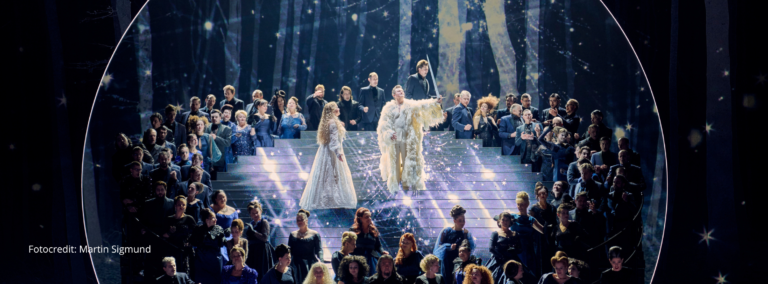
Sonntag, 7. Dezember 2025