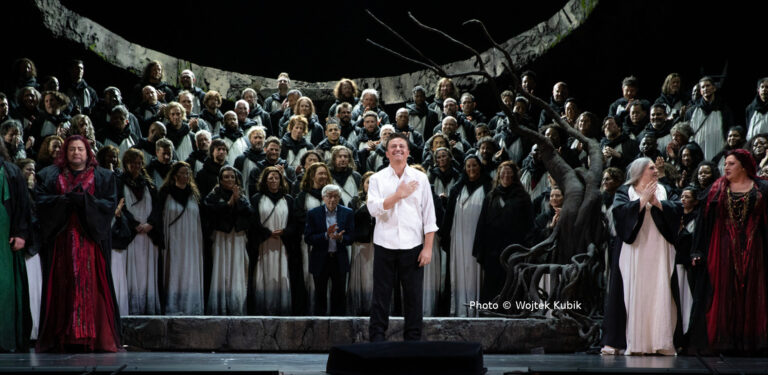
A Radamès without equal: Piotr Beczała at the Gran Teatre del Liceu
Sunday 11 October, 2026
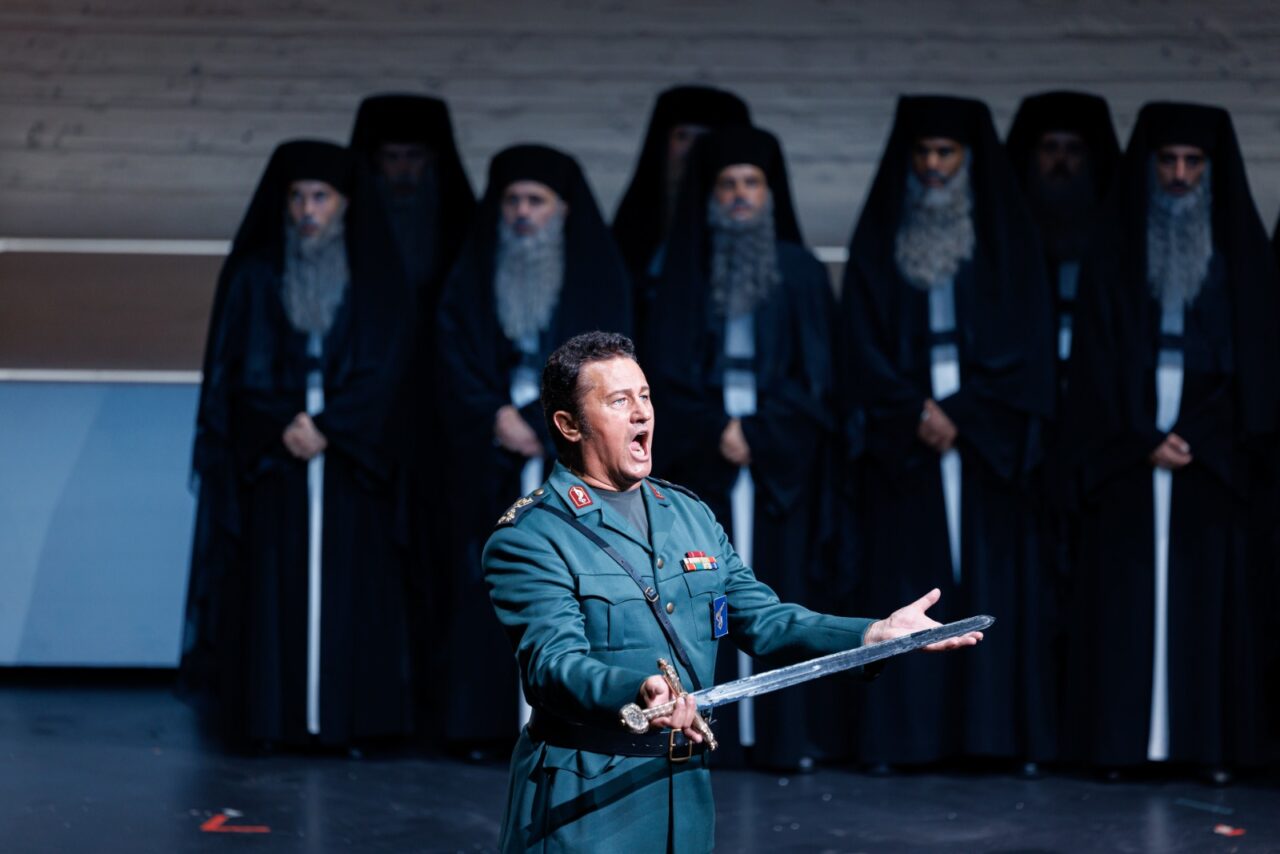
Piotr Beczała’s long-awaited appearance as Radamès in Verdi’s Aida at Barcelona’s Gran Teatre del Liceu on 2 October 2026 was everything the Barcelona audience had hoped for — and more. In a season-opening production that divided audiences, it was the Polish tenor who united them.
Making his first appearance in Shirin Neshat’s new staging — a stark, minimalist vision replacing Aida‘s traditional orientalist spectacle with video projections and a contemporary political lens — Beczała commanded the stage with unassailable vocal authority from first note to last. His “Celeste Aida” set the tone: delivered with supreme elegance, concluded in a hushed falsetto, and described by one critic as a performance not heard at this level since the days of Carlo Bergonzi. His “Sacerdote, io resto a te” was deemed worthy of the Gran Teatre’s permanent annals. Across the entire evening, a seamless vocal line, bronze-finished top notes never forced, and phrasing of ever-increasing refinement confirmed what the Barcelona public already knows: in the Verdian spinto repertoire, Beczała has no rival today.
The cast around him was of exceptional calibre. Anna Pirozzi brought authority to Aida in the first two acts, with vocal fatigue becoming apparent thereafter. Ludovic Tézier as Amonasro delivered the evening’s most aristocratic phrasing, Ksenia Dudnikova was a powerful and dramatically compelling Amneris, and Giorgi Manoshvili impressed as Ramfis. Antonello Manacorda conducted with both precision and genuine theatrical intelligence.
Reviews:
“Piotr Beczała is, without question, the finest interpreter of the Egyptian commander to be found in the world today — above all for the nobility of a vocal production crowned by precious high notes, never forced and finished in burnished bronze. The Polish tenor traversed all his numbers with a seamless line of singing, in service of a phrasing attended to in every detail from the demanding opening of ‘Celeste Aida’, resolved with supreme elegance and concluded in falsetto. His account of ‘Sacerdote, io resto a te’ will stand as one for the Gran Teatre’s anthology: generous in breath support, never in the slightest banal, and enveloped in an indisputable timbral beauty. A handful of barely noticeable textual slips marginally tempered a performance that otherwise brushed the very summit of vocal achievement.” – Ópera Actual
“This quartet of aces largely fulfilled the high expectations placed upon them, though not without some — and notable — peaks and troughs. Making his first appearance in this production, eagerly awaited, was Piotr Beczała. The Polish tenor seems to inhabit a state of eternal youth and, with barely any rehearsal time, demonstrated once again that in the spinto repertoire he has no equal. From his very first entrance he displayed an unassailable vocal security and authority, an overwhelming squillo in his tone production, and a phrasing that appears ever more finely chiselled as the years pass. He resorted to falsetto in the final phrase of his opening romanza and kept close watch on the conductor — understandably, given the predictable scarcity of rehearsals — but his overall performance was that of a true divo. His absolute assurance in ascending to the upper register, the homogeneity of the instrument across its entire range, the boldness in the most heroic passages and the subtlety of a phrasing rich in mezza voce constituted a master class in singing and confirmed his status as one of those artists who shape an era.” – Platea Magazine
“The main reason for anticipation was, however, the presence of Piotr Beczała as Radamès — and that anticipation was not disappointed. The tenor displayed a luminous and homogeneous voice, with more power and colour than ever in the middle and lower registers, without losing the ease of his ascent to the upper notes or his ability to mould and sustain sounds. He demonstrated this in the closing phrase of ‘Celeste Aida’, a dreaming account of the kind I had not heard in live performance since the days of the most complete Radamès I have ever encountered — that of Carlo Bergonzi. Remarkable, naturally, was also ‘Sacerdote, io resto a te!’, but I would above all recall the recitative ‘Se quel guerrier io fossi’ and, even more, his way of uttering ‘O lui felice!’. It is here that Radamès reveals his true dual nature — of warrior and lover, perhaps more the latter than the former. Throughout the entire opera, Beczała offered nothing that was less than masterly.” – Connessi all’Opera
“It is fascinating that the hero of such an overwhelming dramatic machinery should find in Piotr Beczała an interpreter of extraordinary sensitivity. The Polish tenor is traversing a period of magnificent maturity, enriched by the growing fullness of the instrument and by the darkness that his lower register has acquired. He retains, meanwhile, the enamel of his tone production and the brilliance of high notes that seem to emerge effortlessly from such a vocal architecture. Even more impressive is the stylistic sophistication with which he commands his gifts. Beczała phrases with princely elegance and possesses the secret of suggesting emotions before releasing them. His ‘Celeste Aida’ announced a lesson in lyricism that would reach its culmination in the intimacy of the final act. It is difficult to recognise in such an aristocrat of song the general returning triumphant from a slaughter. And perhaps that very contradiction explains the tragedy of Radamès better than any proclamation could.” – El Confidencial

Thursday 10 September, 2026
An Evening Under the Stars: Piotr Beczała at the Vienna State Opera Season Opening
Read Article →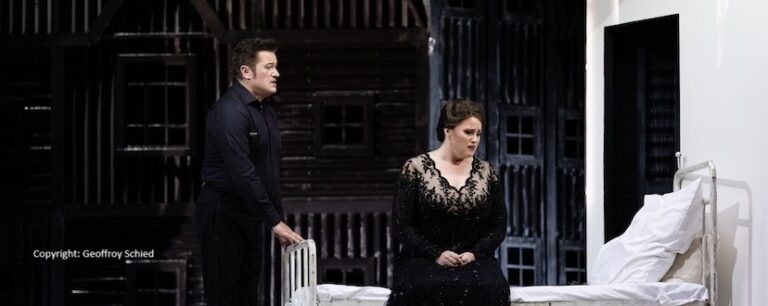
Wednesday 13 May, 2026
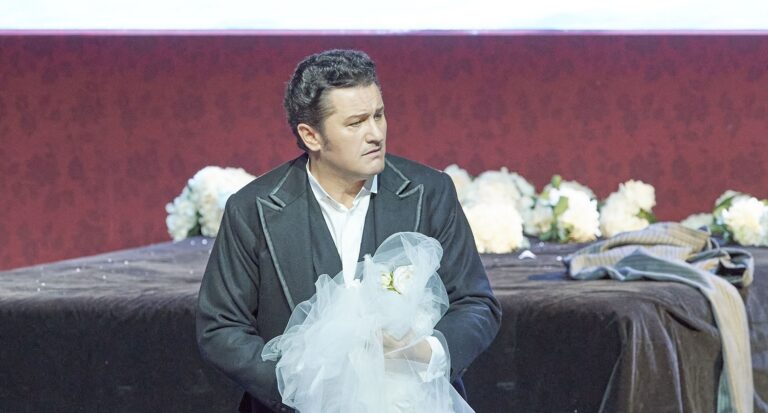
Manrico in Munich: Piotr Beczała electrifies the Bayerische Staatsoper
Read Article →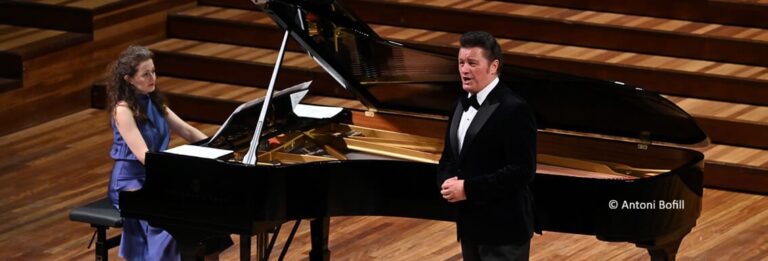
Friday 17 April, 2026
Piotr Beczała in Barcelona – the voice that captivated the Palau
Read Article →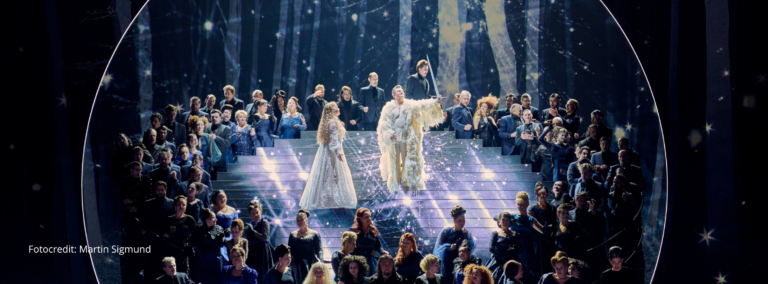
Thursday 15 January, 2026
Piotr Beczała in Dvořák’s Rusalka: A Season Highlight at the Wiener Staatsoper
Read Article →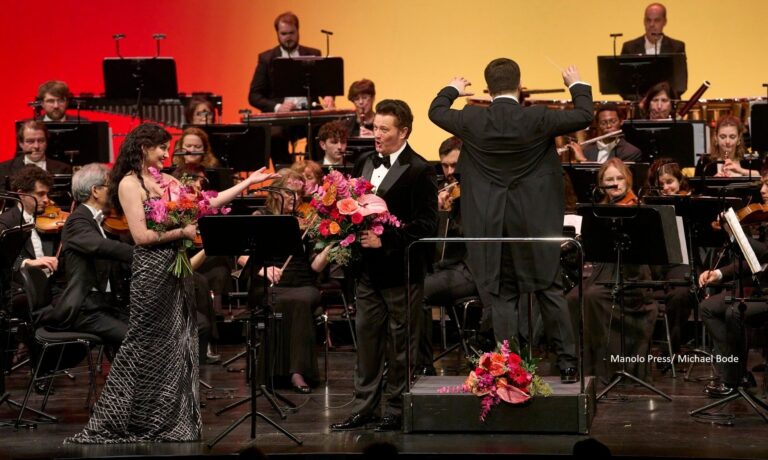
Sunday 7 December, 2025
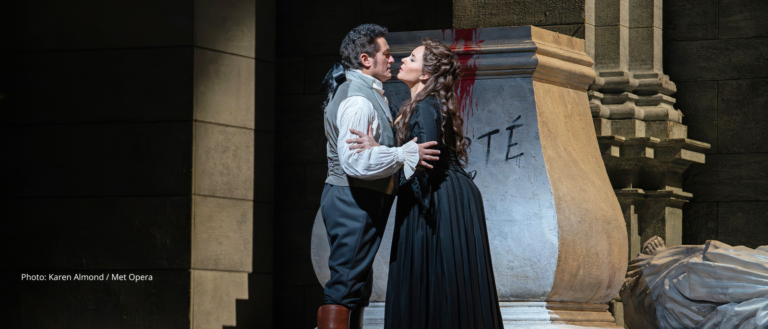
A New Star Performance: Andrea Chénier at the Metropolitan Opera
Read Article →