Manrico in Munich: Piotr Beczała electrifies the Bayerische Staatsoper
Wednesday 13 May, 2026

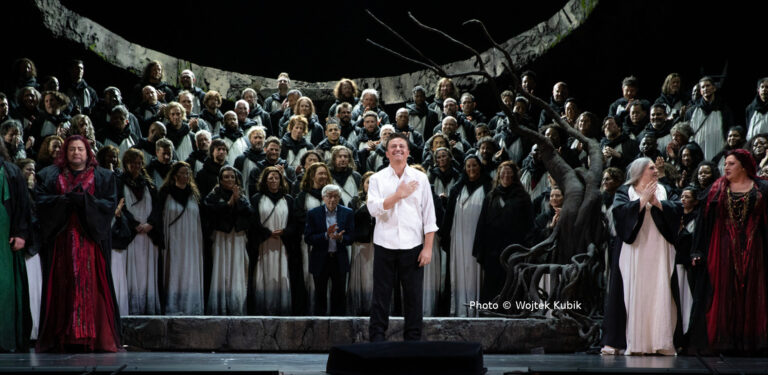
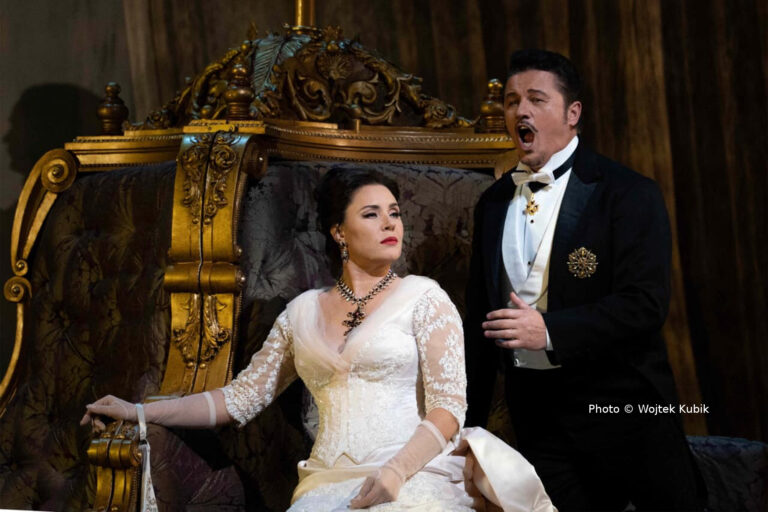
April and May 2026 saw Piotr Beczała take on one of Verdi’s most unforgiving tenor roles — Manrico in Il Trovatore — on the stage of the Bayerische Staatsoper in Munich. The Polish tenor delivered a series of performances that left both audiences and critics in little doubt: when it comes to the great Verdi tenor repertoire, Beczała stands in a class of his own.
Il Trovatore is an opera that offers a tenor nowhere to hide. The role of Manrico spans the full emotional and technical range of the voice — from the nocturnal tenderness of “Deserto sulla terra” through the lyric depth of “Ah! sì, ben mio” to the explosive fervour of “Di quella pira,” and finally the unbearable intimacy of the prison scene duet. It is a role that has broken many singers and defined a select few. Beczała’s account in Munich belonged firmly in the latter category.
Critics were particularly struck by the intelligence and completeness of his interpretation. The arc of his Manrico — measured and finely drawn in the first half, then unleashed with full vocal and artistic authority from “Ah! sì, ben mio” onward — spoke of an artist who knows this music not merely technically, but deeply. His fourth-act prison scene duet with Rachel Willis-Sørensen was singled out as a rare operatic moment: the kind of performance Trovatore promises and rarely delivers.
The Munich public responded with the warmth and enthusiasm that has accompanied Beczała’s appearances at the Bayerische Staatsoper throughout his career. The house, one of the great Verdi stages in the world, gave him a reception befitting the occasion.
The supporting cast — Rachel Willis-Sørensen as Leonora, Artur Ruciński as the Conte di Luna, Judit Kutasi as Azucena and Alexander Köpeczi as Ferrando — performed alongside Beczała with distinction, under the baton of conductor Andrea Battistoni.
Markus Thiel, OVB-Heimatzeitungen
“Eines hat Verdis „Trovatore” vielen Opern voraus: Auch wenn man nichts kapiert (und die Regie dazu ihr Übriges tut), kann man sich dank der Musik prächtig unterhalten. Noch dazu, wenn die Bayerische Staatsoper eine solche Wiederaufnahme-Besetzung spendiert. Alles Stilisten, keine Vokalgockel. An der Spitze Tenorissimo und Rollen-Allrounder Piotr Beczala als Manrico. Das vollmundige Timbre, die Rundung des Tons bis in Extremlagen, die Phrasierungs-Intelligenz, die klug dosierte Emphase – man weiß gar nicht, was man mehr preisen soll. […] Andrea Battistoni dirigiert einen „Trovatore” al dente und mit vibrierender Energie, das Staatsorchester ist da gern dabei. Jubel – was sonst.”
Henri, Opera Diary
“Piotr Beczała’s Manrico described a curious arc. The opening ‘Deserto sulla terra’ and the Pira-bound third act were carefully drawn rather than incandescent; from the ‘Ah! sì, ben mio’ onward, however, what one heard was a complete artist working at full intelligence and full voice — phrases shaped, line sustained, squillo unforced, every word weighted. The fourth-act ‘Ah! che la morte ognora’ in the prison scene, sung with Willis-Sørensen at her most communicative, was the sort of duet this piece is often promised and rarely receives. Beczała remains one of the few tenors alive who can deliver Trovatore without sounding either stretched or compromised, and the second half was the demonstration. What an artist.”

Thursday 10 September, 2026
An Evening Under the Stars: Piotr Beczała at the Vienna State Opera Season Opening
Read Article →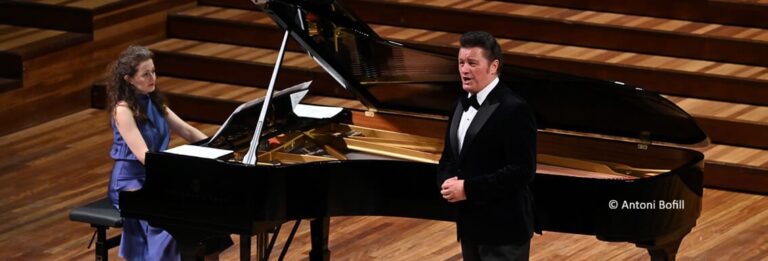
Friday 17 April, 2026
Piotr Beczała in Barcelona – the voice that captivated the Palau
Read Article →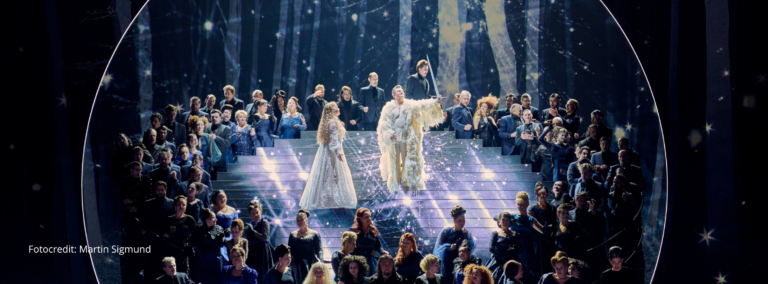
Thursday 15 January, 2026
Piotr Beczała in Dvořák’s Rusalka: A Season Highlight at the Wiener Staatsoper
Read Article →
Sunday 7 December, 2025
A New Star Performance: Andrea Chénier at the Metropolitan Opera
Read Article →